
"Harar 4"
300 article(s) found

A brief introduction to the history and culture of the origin and development of sweet Ethiopian boutique coffee beans
Getachew Mengistie, director of Ethiopia's Bureau of intellectual property, bluntly pointed out that farmers sell raw beans for $1.45 a pound, while Starbucks sells for $26 a pound in the United States, 18 times the price difference between the two places. The reason is that Ethiopia does not know how to use intellectual property rights to create value for farmers, as long as the name of Ethiopian high-quality beans, it can be higher than the average in the United States.

Harald, Ethiopia
Ethiopia is the birthplace of coffee, and Harald is one of the four holy cities of Islam. Not only that, Harald is also the most famous boutique coffee producing area in Egypt. Is the coffee produced here as desirable as described in coffee books? The coffee baked this time is Grade 4 grade coffee from Harald. Grand 4 is the highest level because of Harald.

Ethiopian Coffee Manor Fine Coffee Bean Origin, Development, History and Culture
In December 1994, the Constitution of the Federal Democratic Republic of Ethiopia was formulated. According to the Constitution, Ethiopia will implement a federal system and a parliamentary cabinet system after the general election for a term of five years. After the national election in May 1995, the Federal Democratic Republic of Ethiopia was established on August 22, and Meles became prime minister in her capacity as chairman of the majority party of the people's House of Representatives. On May 14, 2000, Ethiopia held a national meeting

Introduction to the flavor and taste characteristics of Arabian coffee
Grades of Arabica coffee beans Ethiopian coffee: Ethiopian washed coffee Yega Chuefei G1 G2 Sidamo (Yirgacheffe, Sidamo) the highest grades are level 2 and 3 (G2, G3), while sun-processed coffee in eastern Ethiopia is mostly grade 4 or 5 (G4, G5). In many cases, level 4 coffee is marked as level 5 in order to reduce taxes. Now

Ethiopian coffee taste
Ethiopian Coffee Taste concern Review (official Wechat account vdailycom) found that the natural characteristics of coffee beans in a beautiful cafe to open its own small shop include large
Characteristics of Ethiopian coffee, origin of Ethiopian coffee
Pay close attention to coffee comment (Weixin Official Accounts vdailycom ) and find that the geographical environment of Ethiopia is very suitable for coffee growth. Coffee is mainly grown in the southern highlands between 1100 and 2300 meters above sea level. The main coffee producing areas are Harar, Limu, Djimma, Sidamo and Ka.
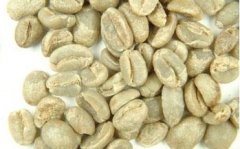
African coffee raw beans Congo Kivu 4/Kivu 4
Kivu coffee is slightly acidity, but citrus acidity is slowly rising full, so the taste is clear and peaceful, coupled with floral, vanilla and erratic tobacco flavor, is a very refreshing and playful coffee.

The grade of Ethiopian coffee
Grade of Ethiopian coffee: Ethiopian washed coffee Yega Chuefei G1 G2 Sidamo (Yirgacheffe, Sidamo) has the highest grades 2 and 3 (G2, G3), while sun-processed coffee in eastern Ethiopia is mostly grade 4 or 5 (G4, G5). In many cases, level 4 coffee is marked as level 5 in order to reduce taxes. At present, the classification is not uniform and there are

Introduction to the grade of Ethiopian coffee beans
The coffee producing areas of Ethiopia are Sidamo, Harald and Sidamo, Harrar and Yirgacheffe. Sidamo and Harrar are provinces and divisions. Sidamo is located in the south of Ethiopia bordering Kenya, and Harrar borders Somalia in the east of Ethiopia. Although Yirgacheffe is a community in the Sidamo region, due to soil composition and water content and other reasons.

Ethiopian Coffee-Wash Coffee Yerga Sherfi Flavor Introduction
Yirgacheffe Coffee has a strong floral flavor. Washed Yerga Sherfi is one of the world's finest high quality coffee, with soft acidity and rich body. Top and Bebeka coffee, low in acidity but high in body, is an indispensable member of the blend coffee. Grade of Ethiopian coffee: Ethiopian washed coffee Ye Jia Xue Fei G1 G2 West Damo (Yi

Ethiopian coffee variety brand flavor description taste treatment grinding scale
Ethiopian coffee category brand flavor description taste treatment grinding scale washing Ethiopian wild djimmahjima mocha coffee, wild appearance below, is gentle heart; it is indeed a relatively high quality low acidity coffee. Sidamo sidamo Ethiopia Sidamo is a type of single origin that grows in Arabica coffee in the Sidamo province of Ethiopia. Vs.

Flavor description of Ethiopian Coffee beans introduction to Grinding scale of varieties in producing areas
Grade of Ethiopian coffee: Ethiopian washed coffee Yega Chuefei G1 G2 Sidamo (Yirgacheffe, Sidamo) has the highest grades 2 and 3 (G2, G3), while sun-processed coffee in eastern Ethiopia is mostly grade 4 or 5 (G4, G5). In many cases, level 4 coffee is marked as level 5 in order to reduce taxes. At present, the classification is not uniform and there are

Introduction to the story characteristics of Ethiopian boutique coffee beans
The highest grades of Ethiopian coffee are grade 2 and 3 (Yirgacheffe, Sidamo), while sun-processed coffee in eastern Ethiopia is mostly grade 4 or grade 5 (G4, G5). In many cases, the coffee label of level 4
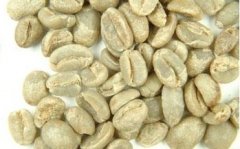
Coffee beans Basics African coffee beans Congo Kivu 4/Kivu 4
[Name] Kivu 4 [Origin] Congo (D.R.) Recommended Roast: Medium or Deep Roast: Distinctive dry aroma: earthy freshness; bright acidity under light flood, Kenyan, and tobacco-like bitterness. Overall performance under deep baking is between Kenya and Indonesia's Mantaning

Introduction to the Yega Coffee Cochel Shepherd Coffee Bean Flavor processing Manor in Ethiopia
The grade of Ethiopian coffee: Ethiopian washed coffee Yega Chefe G1 G2 Sidamo (Yirgacheffe, Sidamo) the highest grades are level 2 and 3 (G2, G3), while sun-processed coffee in eastern Ethiopia is mostly Grade 4 or Grade 5 (G4, G5). In many cases

Brief introduction of Grinding scale by description of Taste and Flavor in Coffee Farm area of Ethiopia
Grade of Ethiopian coffee: Ethiopian washed coffee Yega Chuefei G1 G2 Sidamo (Yirgacheffe, Sidamo) has the highest grades 2 and 3 (G2, G3), while sun-processed coffee in eastern Ethiopia is mostly grade 4 or 5 (G4, G5). In many cases, level 4 coffee is marked as level 5 in order to reduce taxes. At present, the classification is not uniform and there are

African coffee raw beans Congo Kivu 4/Kivu 4
[product name] Kivu 4 (Kivu 4) [place] Congo (D.R. Congo) [place] washing [baking] recommended baking degree: medium or deep baking has a unique dry aroma: fresh smell similar to soil; light flood has a bright sour taste, similar to Kenya, and a bitter taste similar to tobacco. The overall performance of deep baking is between Kenya and Indonesia.
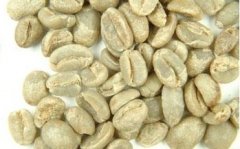
African coffee raw beans Congo Kivu 4/Kivu 4
[product name] Kivu 4 (Kivu 4) [place] Congo (D.R. Congo) [place] washing [baking] recommended baking degree: medium or deep baking has a unique dry aroma: fresh smell similar to soil; light flood has a bright sour taste, similar to Kenya, and a bitter taste similar to tobacco. The overall performance of deep baking is between Kenya and Indonesia.
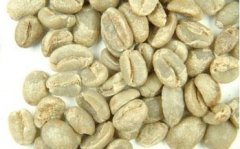
African coffee raw beans Congo Kivu 4/Kivu 4
[product name] Kivu 4 (Kivu 4) [place] Congo (D.R. Congo) [place] washing [baking] recommended baking degree: medium or deep baking has a unique dry aroma: fresh smell similar to soil; light flood has a bright sour taste, similar to Kenya, and a bitter taste similar to tobacco. The overall performance of deep baking is between Kenya and Indonesia.
What's the difference between ORC cherry and aricha? What is the native species?
Professional coffee knowledge exchange more coffee bean information please follow the coffee workshop (Wechat official account cafe_style) Ethiopian coffee mainly has eight major producing areas, namely: Lekempti, Limu, Illubabor, Djimmah, Harar, Teppi/Bebeka, Sidamo, Yirgacheffe. Yejasuefei is a small town in Ethiopia, 1700-2100 meters above sea level